6 Cover Letter Templates to Adapt for your Job Applications
Are you tired of rewriting cover letters from scratch for every job? These six CVHack cover letter templates give you a faster, smarter way to create professional applications that get noticed.
A well-written cover letter can strongly complement other job application documents, such as a CV or resume. While every job application is different, having reliable cover letter templates makes the writing process faster, easier, and more effective. Instead of starting from scratch each time, you can use proven cover letter examples that follow recruiter-approved structures and simply adapt them to match each role.
This guide provides six high-quality templates designed by CVHack to help you quickly create professional, targeted cover letters that highlight your strengths and improve your chances of landing interviews.
Cover Letter Components
A strong cover letter should have some key sections. Each part has a specific purpose and helps create a professional, persuasive message for employers.
Header Section
The header appears at the top of the page and includes your full name, phone number, email address, location, and the date. Beneath that, you list the employer’s name and company details. This section helps employers quickly identify who you are and how to contact you.
Opening Paragraph
In the opening paragraph, you introduce yourself and explain why you are writing. It should clearly state the job you are applying for, highlight your enthusiasm for it and where you found the position. You may also mention at least one key strength or qualification. A strong opening encourages the employer to keep reading and shows that you are genuinely interested in the role.
Middle Paragraph
The middle paragraph is the core of your cover letter. Here, you highlight your most relevant skills, experiences, and achievements. You should give specific examples that show how your background matches the job requirements. Instead of repeating your CV/resume, use this section to explain how your experience makes you a strong fit for the position and how you can add value to the organisation.
Closing Paragraph
This is where you wrap up your letter. It should restate your interest in the role, thank the employer for considering your application, and express a desire to move forward, such as by requesting an interview or further discussion.
Sign-Off
The sign-off is the formal ending of your letter. Common choices include “Sincerely” or “Best regards,” followed by your full name. A proper sign-off completes your cover letter in a polite and professional way.
Types of Cover Letters
Different job situations require different styles of cover letters. Choosing the right type helps you communicate your purpose clearly and increases your chances of getting a response.
Application Cover Letter
This is the most common type of cover letter and is sent when applying for a specific, advertised job opening. It is usually submitted along with a resume. The goal of an application cover letter is to explain why you are a good fit for the position by connecting your skills, experience, and achievements to the job requirements listed by the employer. It should be tailored to each job and company, showing that you understand what the employer is looking for.
Prospecting Cover Letter
A prospecting cover letter is sent to a company that has not publicly posted a job opening. You use this type when you are interested in working for a specific organisation and want to introduce yourself. The purpose is to express your interest, highlight your qualifications, and ask if there are any current or future opportunities that match your background. This type of letter focuses more on your initiative and interest in the company rather than a specific role.
Networking Cover Letter
This type of cover letter is used when reaching out to someone in your professional network, such as a former colleague, mentor, or industry contact. It is more personal and conversational than other types. The main goal is to reconnect, share your career goals, and request advice, information, or leads on job opportunities. You may or may not be applying for a specific position, but you are opening the door to professional support and guidance.
Referral Cover Letter
A referral cover letter is written when someone has recommended you for a job. This might be a current employee, manager, or professional contact at the company. In this letter, you mention the person who referred you early in the opening paragraph. Referrals can help build trust and make your application stand out, so this type of letter focuses on both your connection and your qualifications.
Career Change Cover Letter
A career change cover letter is used when you are moving into a new field or industry. Because your previous job titles may not directly match the new role, this letter focuses on transferable skills, such as communication, leadership, problem-solving, or technical abilities. The goal is to explain why you are making the change and how your experience prepares you for success in a new career path.
Internship Cover Letter
An internship cover letter is written by students or early-career applicants who may have limited work experience. Instead of focusing heavily on job history, this type of letter highlights education, coursework, projects, volunteer work, and enthusiasm for learning. It shows employers that you are motivated, eager to gain experience, and capable of contributing even while you are still developing your professional skills.
6 Cover Letter Templates for your Job Application
The following are six compelling CVHack cover letter templates you can easily adapt to match each role you are applying for:
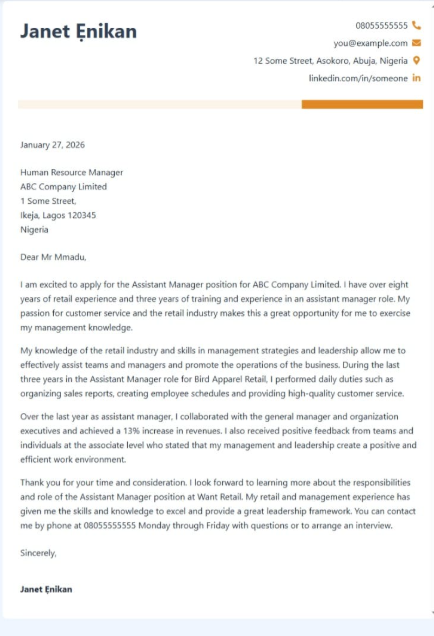
1. Minimalist Cover Letter Template
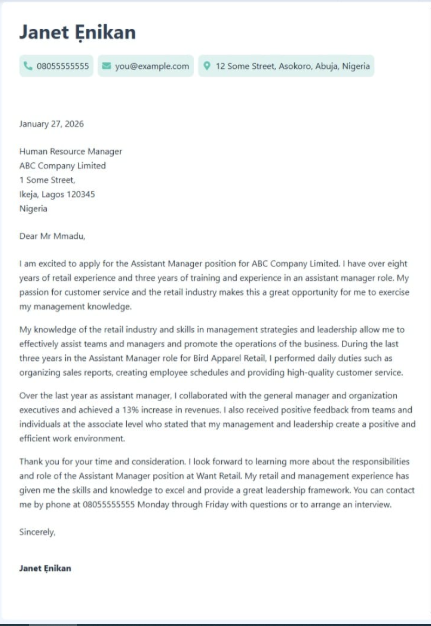
2. Simple Modern Cover Letter Template
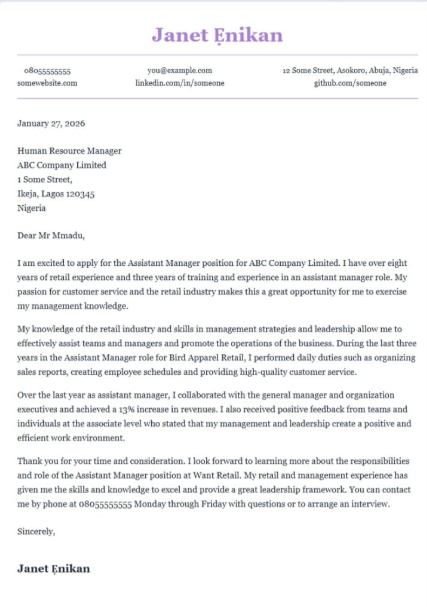
3. Simple Cover Letter Template
4. Corporate Cover Letter Template
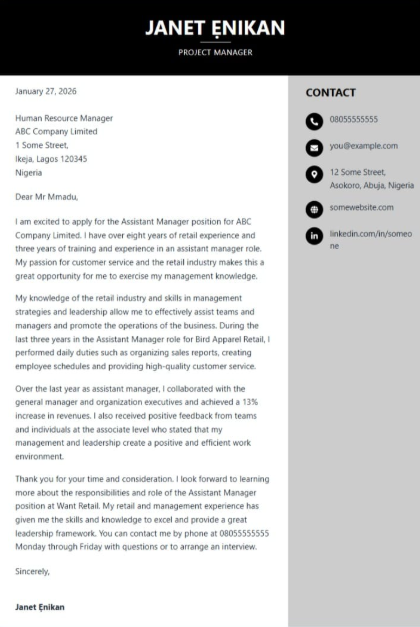
5. Elegant Cover Letter Template
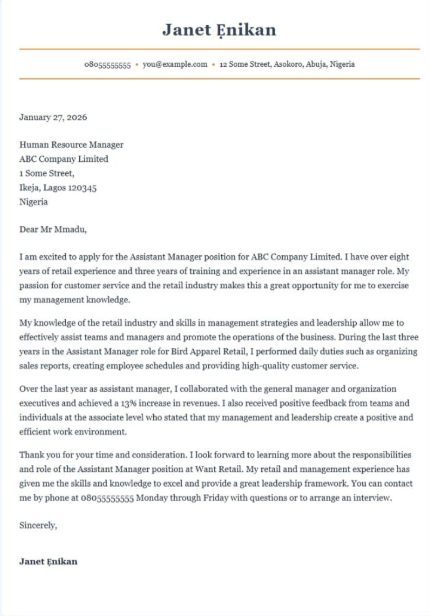
6. Modern Cover Letter Template
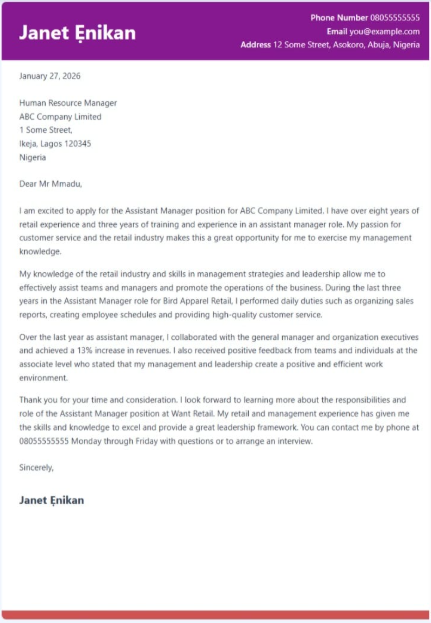
Conclusion
Writing a strong cover letter doesn’t have to be complicated. With the right structure and guidance, you can create a professional letter that clearly projects your strengths. These six CVHack cover letter templates provide a reliable foundation for writing targeted, professional applications that help you stand out to employers.